 Salta-fila disponibile
 Palazzo dei Normanni: il Palazzo Reale di Palermo
La più antica residenza reale d'Europa, stratificata dalla pietra punica all'oro normanno, e il palazzo che custodisce al suo cuore la Cappella Palatina.
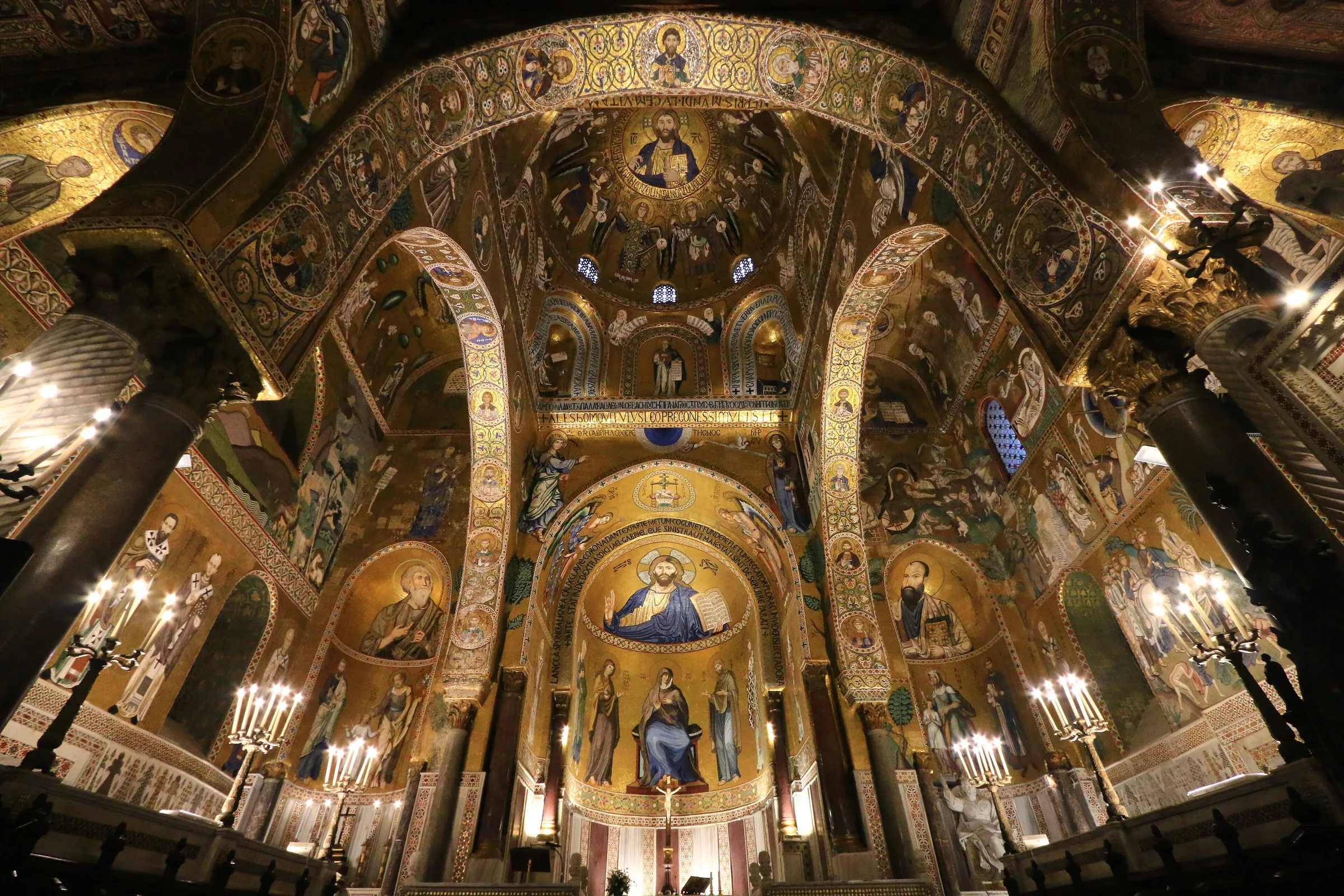
Il Palazzo dei Normanni è la più antica residenza reale d'Europa, e la Cappella Palatina risplende al suo piano superiore. Ecco come si compone l'intero palazzo e come organizzare una visita intorno ad esso.
La più antica residenza reale d'Europa
Arroccato sul punto più alto della Palermo antica, vicino a Porta Nuova e a Piazza del Parlamento, il Palazzo dei Normanni è la più antica residenza reale d'Europa. Non è un'esagerazione da marketing, ma un semplice dato di continuità: re, viceré e oggi i parlamentari hanno governato la Sicilia da questa stessa collina per quasi mille anni, e l'edificio non ha mai smesso del tutto di essere una sede del potere. La maggior parte dei visitatori arriva sapendo che qui si trova la Cappella Palatina, lo splendido gioiello reale commissionato da Re Ruggero II, la cui costruzione iniziò nel 1132 e che fu consacrata nel 1140. La cappella si trova sul piano nobile, il piano superiore d'onore, ed è ancora oggi il motivo per cui la maggior parte delle persone sale sulla collina. Eppure la cappella è solo un gioiello in un contesto molto più ampio. Il palazzo è oggi un edificio vivo: ospita l'Assemblea Regionale Siciliana, e l'aula dove si discutono le leggi dell'isola si trova a pochi corridoi dai mosaici bizantini. Questa funzione operativa determina cosa si può vedere e quando, perché le parti del palazzo destinate al governo non sono sempre aperte al pubblico. Avvicinandosi, si percepiscono gli strati di storia prima ancora di leggere una sola didascalia. Le mura inferiori sono massicce e difensive, frutto di un'epoca in cui questo era un baluardo; i piani superiori sono più leggeri, più cortesi, il risultato di secoli di vita cerimoniale. Comprendere il Palazzo dei Normanni nella sua interezza, e non solo come una celebre cappella, è la chiave per una visita appagante, e spiega perché il biglietto, i giorni di apertura e il percorso attraverso le sale premiano tutti chi si organizza un po' prima di arrivare.
Un palazzo costruito a strati: punico, romano, arabo, normanno, spagnolo
Pochi edifici in Europa portano la propria storia in modo così visibile come questo. Scavando sotto i cortili si raggiungono le fondamenta puniche e romane, la pietra più antica posata quando la collina divenne per la prima volta un sito fortificato sopra il porto. Su quelle fondamenta, i sovrani della Palermo araba innalzarono una fortezza, sfruttando il terreno elevato per dominare la città e la pianura oltre. Quando i Normanni conquistarono l'isola nell'XI secolo, non abbatterono la roccaforte: la adottarono, la ampliarono e trasformarono una cittadella militare in palazzo reale, aggiungendo le grandi sale, la cappella e le torri che conferirono al complesso il suo carattere di corte. È per questo che il Palazzo dei Normanni sembra allo stesso tempo un castello e una reggia. Più tardi ancora, sotto il dominio vicereale spagnolo, il palazzo fu rimodellato per un nuovo tipo di cerimonia. Grandi scaloni, un cortile monumentale con loggiati a gradoni e sale di rappresentanza ristrutturate diedero all'edificio quel volto più formale, rinascimentale e barocco, che oggi ti accoglie dalla piazza principale. Ogni epoca ha lasciato la propria grammatica nella materia: spesse murature difensive delle fasi araba e normanna antica, mosaici dorati e soffitti a nido d'ape della corte normanna al suo apice, e i porticati ordinati e gli scaloni dell'età vicereale. Percorrendo il circuito, stai davvero leggendo una linea del tempo scritta in pietra, marmo e oro, e il piacere del luogo sta nel notare dove un secolo passa il testimone al successivo. Questa profondità storica è parte del motivo per cui il quartiere circostante, il cuore arabo-normanno di Palermo, ha tanto peso, e per cui la cappella al centro del palazzo è considerata la più alta testimonianza sopravvissuta delle culture che su questa collina si incontrarono e si fusero.
Gli Appartamenti Reali e la Sala di Ruggero
Al di sopra della cappella si trovano gli Appartamenti Reali, talvolta chiamati Sale Reali. Si tratta delle sale cerimoniali di rappresentanza del palazzo, raffinate e ridecorate attraverso il periodo normanno, spagnolo e le epoche successive, e mostrano un volto della vita reale molto diverso dal sacro silenzio della cappella. Sale affrescate, soffitti dipinti, ritratti e lunghe infilate di stanze comunicanti raccontano di rituali di corte, udienze e governo piuttosto che di devozione. Il vero fiore all'occhiello è la Sala di Ruggero, Roger's Hall, una delle sale decorate più antiche sopravvissute nel palazzo. Le sue pareti e le volte ospitano mosaici profani, una rarità in un mondo medievale dove il mosaico dorato era quasi sempre riservato a soggetti religiosi. Invece di santi, le tessere qui raffigurano scene di caccia e un giardino paradisiaco stilizzato: leopardi e leoni, pavoni, cervi, arcieri e centauri ambientati tra palme e fogliame simmetrico, il tutto lavorato con la stessa scintillante tecnica bizantina usata nella cappella sottostante. L'effetto è mondano e giocoso, uno sguardo ai piaceri e alle immagini con cui un re normanno amava circondarsi nei suoi appartamenti privati. Ammirare la Sala di Ruggero insieme alla Cappella Palatina completa il quadro della corte che le ha create entrambe: gli stessi artigiani, lo stesso gusto per le superfici brillanti, applicato una volta al divino e una volta ai piaceri della caccia. Poiché queste sale sono ancora legate alla vita del palazzo, seguono un proprio orario di apertura, diverso da quello della cappella, ed è qui che i visitatori cadono più spesso in errore. Se vedere gli Appartamenti Reali e la Sala di Ruggero è importante per voi, il giorno scelto per la visita non è un dettaglio: determina se queste sale saranno aperte o meno, come spiega la sezione successiva.
L'avvertenza dal giovedì al lunedì che ogni visitatore dovrebbe conoscere
Ecco l'informazione di pianificazione più importante per il Palazzo dei Normanni, ed è facile lasciarsela sfuggire. Gli Appartamenti Reali, le Sale Reali inclusa la Sala di Ruggero, sono aperti ai visitatori solo dal giovedì al lunedì. Il martedì e il mercoledì sono chiusi, perché la vita di governo del palazzo ha la priorità in quelle stanze durante la settimana lavorativa. In quei due giorni la visita comprende solo la Cappella Palatina e i Giardini Reali — non le sale di rappresentanza al piano superiore, la mostra o l'area archeologica — e il nostro prezzo è lo stesso qualunque giorno scegliate. Questo coglie di sorpresa moltissimi viaggiatori che davano per scontato che un palazzo reale mostrasse i suoi appartamenti reali ogni giorno. Decidete quindi prima che cosa desiderate vedere di più. Se i mosaici della Sala di Ruggero e l'intera suite cerimoniale sono sulla vostra lista, pianificate la visita per un giovedì, venerdì, sabato, domenica o lunedì, e considerate la cappella come il coronamento di un percorso più ampio. Se il vostro cuore è puntato esclusivamente sulla Cappella Palatina, qualsiasi giorno di apertura vi servirà bene, e una visita a metà settimana può essere più tranquilla. Ciò che non faremo mai è promettervi gli Appartamenti Reali in un giorno in cui sono chiusi. Quando organizziamo il vostro ingresso con data, assicuriamo l'ammissione al palazzo per la data che scegliete; le parti aperte in quella data dipendono dal giorno della settimana, non dal biglietto. Scegliere una data dal giovedì al lunedì è l'unico modo per garantire che gli appartamenti facciano parte della vostra visita, quindi costruite il vostro itinerario su questo fatto anziché scoprirlo sulla soglia.
Un solo biglietto, l'intero percorso
Una visita al Palazzo dei Normanni è un percorso più che una singola sala, e il biglietto d'ingresso combinato è pensato per rifletterlo. Dal giovedì al lunedì un unico biglietto con data comprende la Cappella Palatina, gli Appartamenti Reali, i Giardini Reali, la mostra permanente e l'area archeologica sotto il palazzo; il martedì e il mercoledì comprende solo la Cappella Palatina e i Giardini Reali. L'ingresso è a fascia oraria: il biglietto è prenotato per una finestra di un'ora nel giorno che scegliete, e una volta varcata la porta percorrete il circuito al vostro ritmo. Siamo un servizio che prenota e organizza quell'ingresso con data per vostro conto, così arrivate con l'ammissione già assicurata per la data attorno a cui avete pianificato. I nostri prezzi per persona sono chiari e indicati sulla pagina di prenotazione: un'ammissione adulti intera; una tariffa ridotta per i cittadini UE dai 18 ai 25 anni e per gli insegnanti; una tariffa senior per gli over 65 dell'UE; e una tariffa giovani per i 14-17 anni. I bambini sotto i 13 anni entrano gratuitamente, ma devono essere accompagnati da un adulto pagante. Anche i visitatori con disabilità, insieme a un accompagnatore, entrano senza costi. Se richiedete una tariffa ridotta, senior o giovani, portate con voi un documento valido o una prova di idoneità, perché viene controllata all'ingresso e la tariffa dipende da essa. Sul posto è disponibile un'audioguida per un piccolo supplemento, se desiderate che le sale vi siano narrate mentre procedete. Come per la maggior parte delle ammissioni culturali di questo tipo, le vendite sono definitive; un rimborso si applica solo nel caso in cui l'ingresso non possa essere onorato da parte dell'operatore. Prenotare in anticipo il biglietto con data significa semplicemente che l'ammissione è organizzata e vi attende, così la vostra giornata a Palermo inizia alla porta della cappella anziché in coda per essa.
I Giardini Reali e l'ambientazione
Non affrettatevi ad andarvene subito dopo la cappella. Il Palazzo dei Normanni è avvolto dai Giardini Reali, una terrazza verde sul fianco del palazzo inclusa nello stesso biglietto combinato, che offre una pausa naturale tra l'intensità dei mosaici e il frastuono della città sottostante. Distribuiti sui pendii attorno alle antiche mura della fortezza, i giardini mescolano palme, vegetazione subtropicale e vialetti ombreggiati con ampie vedute su Palermo fino al mare, a ricordare perché i sovrani scelsero proprio questo colle dominante. Dopo gli interni illuminati d'oro, il cielo aperto e il verde riposano lo sguardo, trasformando la visita alla cappella in una mezza giornata piuttosto che in una sosta veloce. La posizione del palazzo lo rende inoltre il perno di un meraviglioso itinerario a piedi. Si trova a circa quindici-venti minuti a piedi in salita dal Duomo di Palermo lungo il Corso Vittorio Emanuele, vicino al grande ingresso di Porta Nuova, così i due monumenti si abbinano facilmente in una sola mattinata. Subito accanto al palazzo si ergono le cupole rosse di San Giovanni degli Eremiti, un altro gioiello della città arabo-normanna e una tappa successiva ovvia. Da lì si apre il resto del centro storico: l'incrocio dei Quattro Canti, il Teatro Massimo, il mercato di Ballarò e, a breve distanza dal centro, i mosaici dorati di Monreale, che condividono lo stesso mondo artistico della Cappella Palatina. Gli autobus urbani servono la vicina Piazza Indipendenza, e dall'Aeroporto di Palermo il palazzo è raggiungibile in circa trentacinque-quarantacinque minuti con il treno o la navetta aeroportuale seguiti dal trasporto locale. Trattate il palazzo come il momento clou di una giornata trascorsa nel quartiere arabo-normanno, e i giardini come il luogo dove sedersi e lasciare che tutto si assesti.
Scegliere il giorno e l'orario giusti
Gli orari plasmano una visita al Palazzo dei Normanni quasi quanto il biglietto stesso, quindi vale la pena pensare insieme al calendario e all'orologio. Il palazzo apre ai visitatori all'incirca dalle otto e mezza del mattino. Dal lunedì al sabato la giornata è lunga, con ultimo ingresso nel tardo pomeriggio, verso le quattro e mezza, il che lascia ampio spazio per soffermarsi sulla cappella e, nei giorni giusti, sulle sale di rappresentanza al piano superiore. Le domeniche e le festività religiose sono diverse e più brevi: l'ultimo ingresso cade verso mezzogiorno, quindi una visita domenicale richiede un inizio più mattutino per evitare delusioni alla porta. C'è un'altra particolarità della domenica e delle festività da mettere in conto nei vostri piani. Poiché la Cappella Palatina è una cappella reale consacrata, chiude ai visitatori all'incirca tra le nove e quarantacinque e le undici e un quarto del mattino la domenica e nelle festività religiose per la Messa. Se arrivate in quella finestra non potrete entrare nella cappella, quindi puntate o alla breve fascia subito all'apertura o al periodo dopo la funzione. Sovrapponete questi orari alla regola dal giovedì al lunedì per gli Appartamenti Reali e emerge un quadro chiaro. La visita più ricca possibile è un giovedì, venerdì, sabato o lunedì, arrivando vicino all'apertura, quando gli appartamenti e la Sala di Ruggero sono aperti e la cappella è disponibile tutto il giorno. Una domenica può comunque essere gratificante ma richiede un inizio mattutino, attento alla Messa, e una finestra complessiva più breve. Il martedì e il mercoledì vi offrono una visita tranquilla alla sola cappella e ai Giardini Reali, senza sale di rappresentanza, mostra o area archeologica. Qualunque data si adatti al vostro viaggio, organizziamo in anticipo il vostro ingresso con data, così l'ammissione è assicurata per il giorno che scegliete, e potete costruire il resto del vostro itinerario palermitano attorno a un punto di partenza certo anziché sperato.
Domande frequenti
Gli Appartamenti Reali sono aperti tutti i giorni?
No. Gli Appartamenti Reali, inclusa la Sala di Ruggero, sono aperti solo dal giovedì al lunedì. Il martedì e il mercoledì sono chiusi e la visita comprende solo la cappella e i Giardini Reali, allo stesso prezzo da noi. Per vedere le sale di rappresentanza, scegliete una data tra giovedì, venerdì, sabato, domenica o lunedì.
Cosa include il biglietto combinato?
Dal giovedì al lunedì un unico biglietto con data comprende la Cappella Palatina, gli Appartamenti Reali, i Giardini Reali, la mostra permanente e l'area archeologica. Il martedì e il mercoledì comprende solo la Cappella Palatina e i Giardini Reali.
Il palazzo è ancora utilizzato per funzioni governative?
Sì. Il Palazzo dei Normanni ospita l'Assemblea Regionale Siciliana, quindi è una sede di governo operativa oltre che un monumento. È proprio questa sua vita attiva il motivo per cui gli Appartamenti Reali seguono un proprio calendario di apertura dal giovedì al lunedì anziché essere accessibili ogni giorno della settimana.
Quanto tempo devo prevedere?
Prevedete circa due ore per godervi il palazzo come si deve. La Cappella Palatina ripaga uno sguardo lento, e dal giovedì al lunedì gli Appartamenti Reali e la Sala di Ruggero arricchiscono notevolmente il percorso. Aggiungere i giardini e l'area archeologica riempie facilmente mezza giornata in tutta calma.
I biglietti ridotti e per anziani richiedono un documento di giustificazione?
Sì. Le tariffe ridotte, senior e giovani dipendono dai requisiti di idoneità, quindi porta con te un documento valido o una prova all'ingresso. I cittadini UE dai 18 ai 25 anni e gli insegnanti hanno diritto alla tariffa ridotta, gli over 65 UE alla tariffa senior, e i ragazzi dai 14 ai 17 anni alla tariffa giovani. Gli under 13 entrano gratis accompagnati da un adulto.