 Доступен без очереди
 Палаццо деи Норманни: Королевский дворец Палермо
Старейшая королевская резиденция Европы, сложенная слоями — от пунического камня до нормандского золота, — дворец, в сердце которого сияет Палатинская капелла.
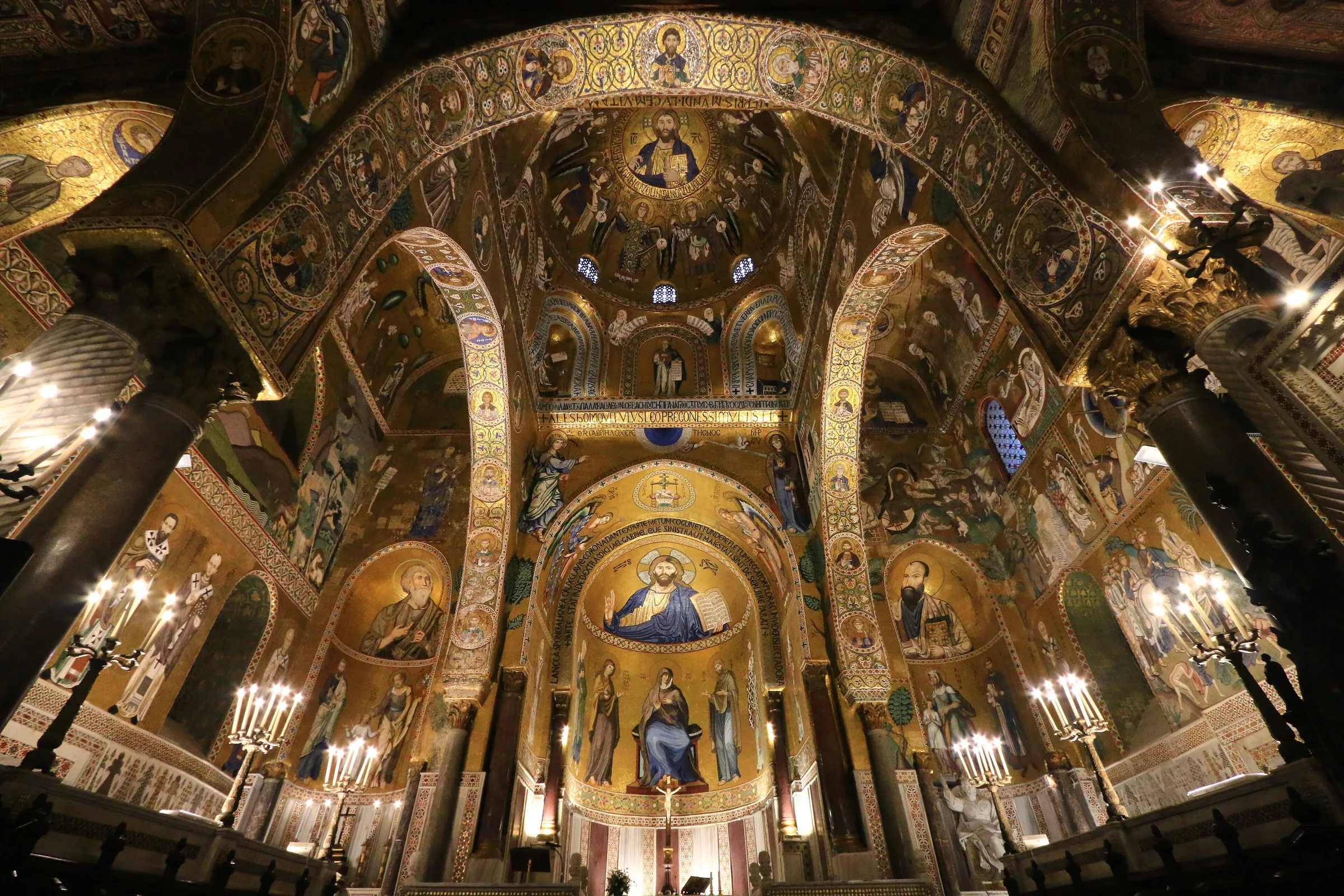
Палаццо деи Норманни — старейшая королевская резиденция Европы, а Палатинская капелла сияет на его верхнем этаже. Вот как устроен весь дворец и как спланировать визит вокруг него.
Старейшая королевская резиденция Европы
Расположенный на самой высокой точке старого Палермо, у Порта Нуова и площади Парламенто, Палаццо деи Норманни — старейшая королевская резиденция Европы. Это не маркетинговое преувеличение, а простой факт преемственности: короли, вице-короли, а ныне парламентарии управляют Сицилией с этого самого холма уже почти тысячу лет, и здание ни разу по-настоящему не переставало быть средоточием власти. Большинство посетителей приходят сюда, зная его как дом Капеллы Палатина — ослепительной королевской капеллы, заказанной королём Рожером II, чьё строительство началось в 1132 году и которая была освящена в 1140-м. Капелла расположена на пиано нобиле, благородном верхнем этаже, и остаётся главной причиной, по которой люди поднимаются на холм. Однако капелла — лишь один из самоцветов в гораздо более обширной сокровищнице. Дворец и сегодня — действующее здание: здесь заседает Сицилийская региональная ассамблея, и зал, где обсуждаются законы острова, находится всего в одном-двух коридорах от византийских мозаик. Эта живая функция определяет, что и когда вы можете увидеть, ведь части дворца, отданные под правительственные нужды, не всегда открыты для публики. Приближаясь к зданию, вы чувствуете наслоения эпох ещё до того, как прочтёте первую табличку. Нижние стены — массивные, оборонительные, наследие тех времён, когда это была крепость; верхние этажи — легче, изящнее, плод веков церемониальной жизни. Воспринимать Палаццо деи Норманни как единое целое, а не как одну знаменитую капеллу, — ключ к по-настоящему полноценному визиту, и именно поэтому билет, дни работы и маршрут по залам требуют небольшой подготовки до прибытия.
Дворец, построенный слоями: пунический, римский, арабский, нормандский, испанский
Немногие здания Европы хранят свою историю столь же зримо, как это. Копните глубже дворов — и вы доберётесь до пунических и римских фундаментов, первых камней, заложенных ещё тогда, когда холм впервые стал укреплённым пунктом над гаванью. На этих основаниях правители арабской Палермо возвели крепость, используя возвышенность, чтобы господствовать над городом и равниной за ним. Когда в XI веке норманны завоевали остров, они не стали разрушать твердыню — они переняли её, расширили и превратили военную цитадель в королевский дворец, добавив парадные залы, капеллу и башни, которые придали комплексу придворный характер. Вот почему Палаццо деи Норманни ощущается одновременно и замком, и двором. Позже, в эпоху испанского вице-королевства, дворец вновь перестроили для нового церемониала. Величественные лестницы, монументальный двор с ярусными лоджиями и переработанные государственные залы придали зданию более формальный, ренессансно-барочный облик, который встречает вас с главной площади и сегодня. Каждая эпоха оставила свою грамматику в самой ткани здания: массивная оборонительная кладка арабского и ранненорманнского периодов, золотая мозаика и сотоподобные потолки норманнского двора в его расцвете, упорядоченные аркады и лестницы вице-королевской эпохи. Проходя по кругу, вы буквально читаете летопись, написанную камнем, мрамором и золотом, и удовольствие этого места — в том, чтобы замечать, где одно столетие передаёт эстафету следующему. Эта глубина истории — часть того, почему окружающий квартал, арабо-норманнское сердце Палермо, несёт в себе такой вес, и почему капелла в самом ядре дворца считается высочайшим из сохранившихся свидетельств культур, которые встретились и слились на этом холме.
Королевские апартаменты и Зал Рожера
Над капеллой расположены Королевские апартаменты, Appartamenti Reali, которые иногда называют Sale Reali. Это парадные государственные залы дворца, отточенные и переоформленные в норманнский, испанский и более поздние периоды, и они являют совершенно иной облик королевской жизни — в противовес благоговейной тишине капеллы. Фресковые залы, расписные потолки, портреты и длинные анфилады соединённых между собой комнат говорят о придворном ритуале, аудиенциях и управлении государством, а не о молитве. Бесспорная жемчужина — Sala di Ruggero, Зал Рожера, один из старейших сохранившихся декорированных залов дворца. Его стены и своды несут светские мозаики — редкость для средневекового мира, где золотая мозаика почти всегда была уделом религиозных сюжетов. Вместо святых здесь, в технике той же мерцающей византийской мозаики, что и в капелле ниже, изображены сцены охоты и стилизованный райский сад: леопарды и львы, павлины, олени, лучники и кентавры среди пальм и симметричной листвы. Эффект — земной и игривый, проблеск тех удовольствий и образов, которыми норманнский король окружал себя в личных покоях. Увидеть Зал Рожера рядом с Cappella Palatina — значит сложить полную картину двора, создавшего оба шедевра: те же мастера, тот же вкус к сияющим поверхностям, применённый однажды к божественному, а однажды — к радостям охоты. Поскольку эти залы по-прежнему связаны с жизнью дворца, у них собственный режим работы, отличный от капеллы, и именно здесь посетители чаще всего спотыкаются. Если Королевские апартаменты и Зал Рожера для вас важны, день посещения — не деталь: он решает, будут ли эти залы открыты вообще, как объясняется в следующем разделе.
Оговорка про четверг–понедельник, которую должен знать каждый посетитель
Вот самая важная информация для планирования визита в Palazzo dei Normanni, и её легко упустить. Королевские апартаменты, Sale Reali, включая Зал Рожера, открыты для посетителей только с четверга по понедельник. Во вторник и среду они закрыты, потому что в эти дни в тех залах приоритет отдаётся управленческой жизни дворца. В эти два дня визит включает только Cappella Palatina и Королевские сады — не парадные залы наверху, не выставку и не археологическую зону, — и наша цена одинакова, какой бы день вы ни выбрали. Это застаёт врасплох многих путешественников, которые полагали, что королевский дворец будет показывать свои королевские апартаменты каждый день. Поэтому сначала решите, что вы хотите увидеть больше всего. Если мозаики Зала Рожера и полный церемониальный ансамбль в вашем списке, планируйте визит на четверг, пятницу, субботу, воскресенье или понедельник и рассматривайте капеллу как венец более длинного маршрута. Если ваше сердце настроено исключительно на Cappella Palatina, вам подойдёт любой открытый день, а визит в середине недели может быть спокойнее. Чего мы никогда не сделаем — так это не пообещаем вам Королевские апартаменты в день, когда они закрыты. Когда мы оформляем ваш вход на выбранную дату, мы обеспечиваем допуск во дворец на выбранный вами день; то, какие части открыты в этот день, зависит от дня недели, а не от билета. Выбор даты с четверга по понедельник — единственный способ гарантировать, что апартаменты войдут в ваш визит, поэтому стройте свой маршрут вокруг этого факта, а не обнаруживайте его уже на пороге.
Один билет — весь маршрут
Визит в Palazzo dei Normanni — это маршрут, а не один зал, и объединённый входной билет устроен именно так. С четверга по понедельник один билет на выбранную дату включает Cappella Palatina, Королевские апартаменты, Королевские сады, постоянную выставку и археологическую зону под дворцом; во вторник и среду он включает только Cappella Palatina и Королевские сады. Вход осуществляется по сеансу: ваш билет забронирован на часовой интервал в выбранный вами день, и, оказавшись внутри, вы проходите маршрут в собственном темпе. Мы — сервис по оформлению, который бронирует и организует для вас этот вход на выбранную дату, чтобы вы прибыли с уже обеспеченным допуском на день, вокруг которого построили свои планы. Наши цены за человека просты и указаны на странице бронирования: полный взрослый билет; льготная цена для граждан ЕС от 18 до 25 лет и учителей; цена для пожилых граждан ЕС от 65 лет; и молодёжная цена для возраста от 14 до 17 лет. Дети до 13 лет проходят бесплатно, но должны сопровождаться взрослым с платным билетом. Посетители с инвалидностью вместе с одним сопровождающим также проходят без платы. Если вы претендуете на льготную, пожилую или молодёжную цену, возьмите с собой действительное удостоверение личности или подтверждение права на льготу, потому что это проверяется на входе, и от этого зависит цена. На месте за небольшую доплату доступен аудиогид, если вы хотите, чтобы залы сопровождались рассказом по ходу осмотра. Как и при большинстве подобных культурных билетов, продажи окончательны; возврат возможен только в случае, если вход не может быть обеспечен по вине оператора. Бронирование билета на дату заранее просто означает, что допуск организован и ждёт вас, так что ваш день в Палермо начинается у дверей капеллы, а не в очереди к ним.
Королевские сады и атмосфера
Не спешите сразу покидать дворец после капеллы. Палаццо деи Норманни окружен Королевскими садами — зеленой террасой на склоне дворца, которая входит в тот же комбинированный билет и служит естественной паузой между напряжением мозаик и шумом города внизу. Разбитые на склонах вокруг старых крепостных стен, сады сочетают пальмы, субтропические растения и тенистые аллеи с далекими видами на Палермо в сторону моря — напоминанием о том, почему правители когда-то выбрали именно этот господствующий холм. После залитых золотом интерьеров открытое небо и зелень дают глазам отдых, превращая визит в капеллу из быстрой остановки в полноценные полдня. Расположение дворца также делает его якорем чудесного пешеходного маршрута. Он находится примерно в пятнадцати-двадцати минутах ходьбы в гору от собора Палермо по Корсо Витторио Эмануэле, рядом с величественными воротами Порта Нуова, так что оба памятника легко объединить в одно утро. Сразу рядом с дворцом возвышаются красные купола Сан-Джованни дельи Эремити — еще одна жемчужина арабо-норманнского города и очевидная следующая остановка. Оттуда открывается остальной старый город: перекресток Кватро Канти, Театро Массимо, рынок Балларо, а чуть дальше от центра — золотые мозаики Монреале, принадлежащие тому же художественному миру, что и Капелла Палатина. Городские автобусы ходят до соседней площади Пьяцца Индипенденца, а из аэропорта Палермо до дворца можно добраться примерно за тридцать пять-сорок пять минут на поезде или шаттле из аэропорта с последующей пересадкой на местный транспорт. Воспринимайте дворец как кульминацию дня, проведенного в арабо-норманнском квартале, а сады — как место, где можно присесть и дать всему этому улечься в душе.
Как выбрать правильный день и время
Время почти так же формирует визит в Palazzo dei Normanni, как и сам билет, поэтому стоит подумать о календаре и часах вместе. Дворец открывается для посетителей примерно в половине девятого утра. С понедельника по субботу день длинный, последний вход — во второй половине дня, около половины пятого, что оставляет достаточно времени, чтобы не спеша осмотреть капеллу и, в подходящие дни, парадные залы наверху. Воскресенья и религиозные праздники отличаются и короче: последний вход — около полудня, поэтому визит в воскресенье требует более раннего начала, чтобы не разочароваться у дверей. Есть ещё одна особенность воскресений и праздников, которую стоит учесть в планах. Поскольку Cappella Palatina — освящённая королевская капелла, она закрыта для посетителей примерно с без четверти десять до четверти двенадцатого утра по воскресеньям и в религиозные праздники из-за мессы. Если вы придёте в этот интервал, войти в капеллу не получится, поэтому ориентируйтесь либо на короткий промежуток сразу после открытия, либо на время после службы. Наложите эти часы на правило четверга–понедельника для Королевских апартаментов — и картина станет ясной. Самый полный визит возможен в четверг, пятницу, субботу или понедельник, если прийти к открытию, когда апартаменты и Зал Рожера открыты, а капелла доступна весь день. Воскресенье тоже может быть rewarding, но требует раннего начала с учётом мессы и более короткого общего окна. Вторник и среду вы посвятите спокойному визиту только в капеллу и Королевские сады, без парадных залов, выставки и археологической зоны. Какую бы дату ни подсказала ваша поездка, мы заранее организуем ваш вход на выбранную дату, чтобы допуск был обеспечен на выбранный вами день, и вы могли строить остальной маршрут по Палермо вокруг твёрдой точки отсчёта, а не надежды.
Часто задаваемые вопросы
Открыты ли Королевские апартаменты каждый день?
Нет. Королевские апартаменты, включая Зал Рожера, открыты только с четверга по понедельник. Во вторник и среду они закрыты, и визит включает только капеллу и Королевские сады, по той же нашей цене. Чтобы увидеть парадные залы, выбирайте дату с четверга по понедельник.
Что входит в комбинированный билет?
С четверга по понедельник один билет на выбранную дату включает Cappella Palatina, Королевские апартаменты, Королевские сады, постоянную выставку и археологическую зону. Во вторник и среду он включает только Cappella Palatina и Королевские сады.
Используется ли дворец до сих пор для государственных нужд?
Да. В Palazzo dei Normanni заседает Сицилийская региональная ассамблея, поэтому это действующая резиденция правительства, а также памятник. Именно из-за этой живой роли Королевские апартаменты следуют собственному графику открытия с четверга по понедельник, а не доступны каждый день недели.
Сколько времени мне стоит заложить на визит?
Планируйте около двух часов, чтобы достойно насладиться дворцом. Cappella Palatina вознаграждает неспешный взгляд, а с четверга по понедельник Королевские апартаменты и Зал Рожера существенно дополняют маршрут. Добавление садов и археологической зоны легко заполнит спокойную половину дня.
Нужно ли подтверждать право на льготные и пенсионные билеты?
Да. Льготные, пенсионные и молодёжные тарифы зависят от соответствия критериям, поэтому при входе необходимо иметь при себе действительное удостоверение личности или подтверждение. Граждане ЕС в возрасте от 18 до 25 лет и учителя имеют право на льготный тариф, пенсионеры ЕС от 65 лет — на пенсионный, а молодёжь от 14 до 17 лет — на молодёжный. Дети до 13 лет проходят бесплатно в сопровождении взрослого.