 Доступен без очереди
 Как посетить Капеллу Палатина в Палермо
Практический путеводитель по дням: как увидеть золотую королевскую капеллу Палермо — часы работы, самое спокойное время, сколько времени заложить и как добраться.
Капелла Палатина вознаграждает за планирование: часы меняются день ото дня, поток гостей то спадает, то растёт, а дворец вокруг неё скрывает куда больше, чем один золотой зал. Вот как выбрать время и построить свой визит.
Часы работы по дням
У Cappella Palatina разное время работы в зависимости от дня, поэтому перед выходом стоит проверить календарь. С понедельника по субботу дворцовый комплекс открывается примерно в 08:30, последний вход — ближе к вечеру, около 16:30: длинное окно, позволяющее выбрать удобный момент. По воскресеньям и в религиозные праздники график короче: двери по-прежнему открываются утром, но последний вход — около полудня, так что план на ленивый воскресный день здесь не сработает. Самая важная деталь для воскресных посетителей — закрытие на мессу. Часовня — освящённое пространство и действующее место богослужения, поэтому она закрыта для туристов с 09:30 до 11:30, пока идёт служба. Если вы приедете в это окно в воскресенье, вас попросят подождать, а из-за более раннего последнего входа вы можете потерять большую часть времени для осмотра. Старайтесь оказаться внутри до 09:30 или планируйте вход после 11:30, помня о том, как мало остаётся от дня. Поскольку вход идёт по часовым слотам, забронированное время — единственное, что действительно стоит выбирать осознанно: выберите слот, который не попадает на закрытие из-за мессы и на утреннюю толпу, и остальной день выстроится вокруг него. При этом Royal Apartments наверху живут по собственному ритму и доступны только с четверга по понедельник; сама часовня открыта каждый день, когда открыт дворец. Праздники могут ещё сдвинуть расписание, а комплекс иногда закрывается в короткий срок для институциональных заседаний или городских мероприятий, поскольку здание по-прежнему активно используется. Мы заранее подтверждаем ваш вход на выбранную дату и сообщаем обо всех известных закрытиях до поездки, чтобы вам не пришлось гадать у ворот. Считайте утро самым надёжным вариантом, особенно по воскресеньям.
Лучшее время дня для посещения
Правильно выбранное время прибытия превращает Cappella Palatina из толчеи плечом к плечу в нечто близкое к частной аудиенции с мозаиками. Капелла компактна, и когда автобусная группа заходит внутрь, неф быстро заполняется; золотые поверхности, которые вознаграждают за медленное, тихое рассматривание, трудно оценить сквозь десятки поднятых телефонов. Два окна стабильно работают лучше всего. Первое — сразу к открытию, около 08:30, до того как организованные туры и группы с круизных экскурсий достигнут вершины холма — ранний свет спокоен, мраморные полы пусты, и вы можете стоять под потолком с мукарнами, не опасаясь, что вас попросят пройти. Второе — последний час-два до финального входа, когда утренние автобусы уже давно уехали, а послеобеденная толпа редеет. Полдень, примерно с 11:00 до 14:00, — самый загруженный отрезок, который по воскресеньям усугубляется закрытием на мессу с 09:30 до 11:30, направляющим всех в одно узкое окно после службы. Если ваш график позволяет выбрать будний день вместо выходного — выбирайте: суббота и воскресенье привлекают самый большой поток местных жителей и однодневных туристов, а сокращённые воскресные часы ещё больше концентрируют посетителей. Весна и осень мягче, чем пиковые летние месяцы, когда жара Палермо и круизный сезон вместе поднимают цифры. Какой бы день вы ни выбрали, раннее прибытие также страхует от неожиданностей — позднее открытие, городское мероприятие или очередь на входе съедают меньше вашего дня, когда впереди весь график. Поскольку ваш билет действителен на дату, а не на жёсткий слот, вы сохраняете свободу выбрать момент в сам день, оценивая толпу и проскальзывая внутрь, когда неф наиболее тих. Мы заранее подтверждаем ваш вход на дату, чтобы, какое бы окно вы ни выбрали, вам не пришлось стоять в очереди за билетом, пока хороший свет проходит мимо.
Сколько времени заложить
Отведите на осмотр больше времени, чем можно предположить по слову «капелла», ведь Palazzo dei Normanni — это, по сути, несколько достопримечательностей в одном визите. Сама Cappella Palatina заслуживает 30–45 минут: этого хватит, чтобы рассмотреть Христа Пантократора, взирающего сверху из купола и вновь из апсиды, проследить ветхозаветные и новозаветные сцены на золотых стенах, поднять взгляд к потолку с сотовыми мукарнами и изучить выложенный мрамором в стиле косматеско пол и нижние стены. Если торопиться, детали — небольшие повествовательные панно, игра византийского, латинского и фатимидского мастерства — просто пройдут мимо вас. За пределами капеллы полный маршрут по дворцу обычно занимает 1,5–2 часа. С четверга по понедельник в него входят Королевские апартаменты на верхних этажах, среди них Sala di Ruggero со светскими мозаиками сцен охоты, леопардов и павлинов — редкий сохранившийся образец придворного, нерелигиозного норманнского декора, который заслуживает неспешной прогулки. Постоянная экспозиция и археологическая зона во дворце добавят ещё времени, а Королевские сады снаружи — приятное место, чтобы развеяться до или после. Если вы посещаете дворец во вторник или среду, планируйте более короткий визит: Королевские апартаменты, экспозиция и археологическая зона в эти дни не входят в маршрут, поэтому капелла и Королевские сады займут примерно час. Фотографам, любителям мозаик и всем, кто путешествует с аудиогидом, стоит закладывать время ближе к верхней границе. Семьи с маленькими детьми часто быстрее проходят верхние залы, но задерживаются в капелле, которая хорошо удерживает внимание. Как правило, выделите половину утра, если хотите увидеть всё без спешки, и помните, что воскресное и праздничное расписание с последним входом в полдень оставляет более узкое окно, чтобы всё успеть.
Что вы увидите, зал за залом
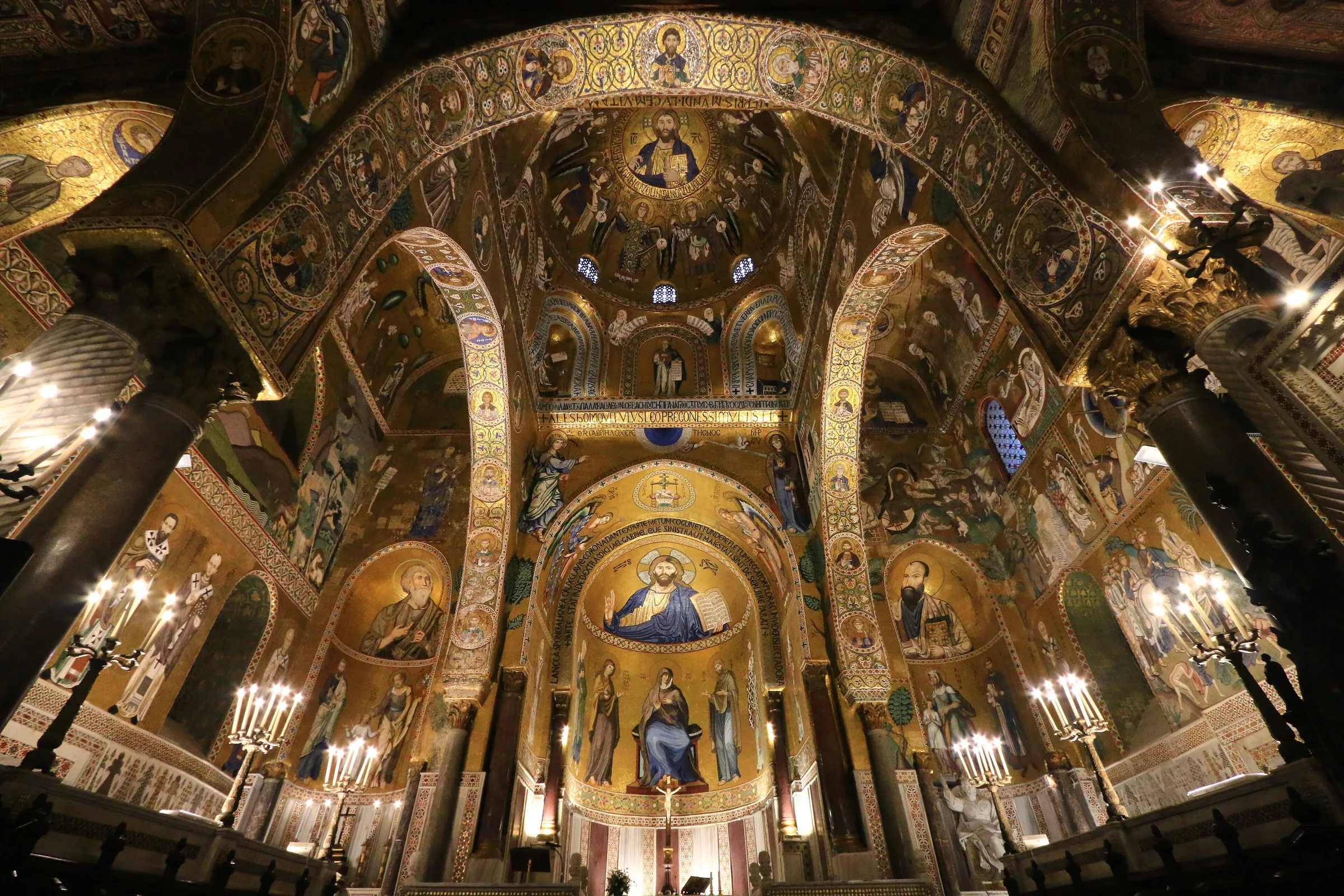
Посещение разворачивается в чёткой последовательности, и знание планировки помогает провести время там, где это действительно важно. Бесспорное сердце — Cappella Palatina на piano nobile, королевская часовня, заказанная Рожером II, начатая в 1132 году и освящённая в 1140 году. Войдите — и взгляд устремляется вверх: Христос Пантократор царит из купола, ещё один — из апсиды, в окружении ангелов, пророков и святых, выполненных в византийской мозаике на золотом фоне, которая словно светится в приглушённом свете. Над нефом нависает необыкновенный расписной деревянный потолок мукарнас — фатимидские соты сталактитовых форм, редко встречающиеся в христианском храме такого ранга. Под ногами и вдоль стен тянутся косматескные инкрустации — геометрический мрамор в замысловатых узорах, — а приподнятая платформа отмечает место, где когда-то сидел король. Это самое ясное свидетельство арабо-норманно-византийского синтеза, и в 2015 году оно принесло комплексу место в списке Всемирного наследия ЮНЕСКО. С четверга по понедельник посещение продолжается в Royal Apartments, Sale Reali, на верхних этажах. Их главная жемчужина — Sala di Ruggero, или Зал Рожера, украшенный светскими мозаиками со сценами охоты, оленями, леопардами и обращёнными друг к другу павлинами — мирскими образами, дополняющими священную программу нижнего уровня. По вторникам и средам эти верхние залы закрыты, и посещение включает только часовню и Royal Gardens. С четверга по понедельник маршрут также охватывает постоянную экспозицию и археологическую зону внутри дворца — старейшей королевской резиденции Европы — и открывается в Royal Gardens, тенистое парадное пространство, которое служит естественным финалом. Позвольте последовательности выстроиться: сначала часовня, пока внимание свежо, затем апартаменты с их придворными мозаиками, а потом спокойствие садов, чтобы всё улеглось, прежде чем вы вернётесь вниз, в город.
Фотосъёмка, дресс-код и этикет
Cappella Palatina — освящённая капелла и действующее место богослужения, а не просто музей, и несколько простых правил вежливости делают посещение комфортным для всех. Фотографирование для личного использования в целом приветствуется, но вспышка внутри капеллы запрещена — свет вреден для многовековых мозаик и мешает другим посетителям, — а штативы и моноподы также не разрешены, так что планируйте снимать с рук. Интерьер намеренно затемнён, что составляет часть его атмосферы; прислонитесь к стене или скамье, а не тянитесь за стойкой, и выключите вспышку до входа, чтобы не оказаться в неловком положении. Одевайтесь скромно, как вы бы сделали в любой действующей церкви: закрытые плечи и колени — безопасный стандарт, и летом стоит взять с собой лёгкий шарф или палантин, если вы иначе были бы в майке и шортах. Посетителей иногда просят прикрыться на входе, поэтому правильная одежда с самого начала избавит от разочарования после подъёма в гору. Внутри говорите тихо, отключите звук на телефоне и будьте особенно внимательны по воскресеньям и в религиозные праздники, когда капелла закрыта для туристов с 09:30 до 11:30 на мессу; если идёт служба, пространство принадлежит в первую очередь молящимся. Не прикасайтесь к мозаикам, мрамору и фурнитуре и не блокируйте узкий неф, пока компонуете кадр — отойдите в сторону, чтобы другие могли пройти. Аудиогид доступен за небольшую дополнительную плату и является хорошим способом следить за иконографией, не толпясь у панно и не читая вслух. Это те же простые манеры, которые вы проявили бы в любом живом священном месте, и они позволяют капелле сохранять ту тишину, которая делает пребывание под её золотыми сводами таким запоминающимся. Сумки могут подвергаться проверке службой безопасности на входе, поэтому путешествуйте налегке.
Доступність
Palazzo dei Normanni — это здание, которому девятьсот лет и которое по-прежнему используется как действующее учреждение, поэтому доступность здесь сочетает продуманные решения с неизбежными ограничениями, налагаемыми историей, и полезно заранее знать, чего ожидать. Вход бесплатный для посетителя с инвалидностью вместе с одним сопровождающим, что упрощает практическую сторону планирования визита. Cappella Palatina расположена на piano nobile, на один этаж выше уровня входа, и дворец позаботился о том, чтобы обеспечить лифт и маршруты без ступеней к главным пространствам; сама капелла в основном доступна для передвижения, как только вы окажетесь на этом этаже. Royal Apartments выше, открытые с четверга по понедельник, предполагают дополнительные лестницы и более старые части здания, где доступ без перепадов уровня гарантировать сложнее, поэтому если верхние залы для вас в приоритете, стоит сообщить о ваших конкретных потребностях до поездки. Полы в капелле — исторический мрамор, местами они могут быть неровными, а освещение намеренно приглушённое, что стоит учитывать посетителям с ограниченной подвижностью или слабым зрением. Есть места, где можно присесть и передохнуть, а компактные размеры капеллы означают, что расстояния внутри небольшие. Подход со стороны города — более серьёзная задача: дворец стоит на вершине пологого, но продолжительного подъёма от собора, а окружающие улицы местами вымощены булыжником, поэтому пользователям инвалидных колясок и всем, кто быстро устаёт, возможно, лучше приехать на такси или автобусе прямо к Piazza Indipendenza, а не идти пешком снизу. Собаки-помощники — обычное исключение из любых ограничений на животных. Поскольку потребности у разных посетителей сильно различаются, самый надёжный подход — сообщить нам, что вам нужно, при бронировании: мы сможем подтвердить актуальные маршруты без ступеней, дни, когда открыты доступные верхние залы, и любую поддержку на месте, чтобы у дверей не было неожиданностей.
Как добраться
Капелла Палатина находится внутри Палаццо деи Нормани, который венчает западную оконечность исторического центра Палермо на площади Пьяцца Индипенденца, неподалёку от Пьяцца дель Парламенто. Самый приятный пеший маршрут — от собора Палермо: следуйте по Корсо Витторио Эмануэле вверх, пройдите под монументальными воротами Порта Нуова рядом с дворцом — и вы окажетесь у входа примерно через 15–20 минут. Подъём пологий, но непрерывный, особенно приятен в прохладные утренние часы — стоит рассчитать время так, чтобы успеть до полуденной жары. Если предпочитаете не идти пешком, до Пьяцца Индипенденца ходят городские автобусы: эта большая площадь у самого дворца служит узлом для нескольких маршрутов через центр — практичный вариант, если вы едете издалека или хотите поберечь силы для самой экскурсии. Такси высадит вас на той же площади. Из аэропорта Палермо (PMO) закладывайте около 35–45 минут: обычная комбинация — поезд или автобус-шаттл из аэропорта в город, а затем короткая поездка на местном автобусе или такси до дворца; впрочем, прямое такси будет быстрее, если вы предпочитаете маршрут «от двери до двери». Ехать на машине в исторический центр не рекомендуется — улицы узкие, парковок мало, а большая часть зоны закрыта для транспорта, — так что общественный транспорт или такси почти всегда окажутся проще. На Пьяцца Индипенденца вход легко найти по указателям, а с той же площади удобно добраться и до остальной арабо-норманнской части Палермо: Сан-Джованни дельи Эремити с его красными куполами находится прямо по соседству, а собор, Кватро Канти и рынок Балларо — в нескольких минутах ходьбы вниз. Многие посетители совмещают капеллу с Монреале: золотые мозаики его собора находятся примерно в двадцати минутах от города и естественным образом дополняют увиденное. Мы заранее подтверждаем ваш вход на конкретную дату, так что по прибытии вам останется лишь просто прийти.
Часто задаваемые вопросы
Які години роботи Капели Палатіни?
С понедельника по субботу дворец открывается около 08:30, последний вход — около 16:30. Воскресенья и религиозные праздники короче: последний вход около полудня. По воскресеньям и праздникам капелла также закрыта для посетителей с 09:30 до 11:30 на мессу, поэтому приходите до или после этого окна.
Чи можна оглянути Королівські апартаменти в будь-який день?
Нет. Королевские апартаменты, включая Sala di Ruggero с её мозаиками со сценами охоты, открыты только с четверга по понедельник. Во вторник и среду они закрыты, и посещение включает только часовню и Королевские сады. Если вам важны комнаты на верхнем этаже, планируйте визит с четверга по понедельник.
Скільки часу закласти на відвідування?
Заложите от 30 до 45 минут только на часовню, чтобы рассмотреть мозаики, потолок с мукарнами и мраморные полы. На полный маршрут по дворцу с четверга по понедельник — Королевские апартаменты, выставку, археологическую зону и сады — планируйте от 1,5 до 2 часов; во вторник и среду, когда открыты только часовня и сады, около часа.
Чи є дрес-код, і чи можна фотографувати?
Да, скромная одежда обязательна: это действующая капелла, поэтому закрывайте плечи и колени и носите с собой шарф летом. Личное фотографирование в целом допустимо, но вспышка, штативы и моноподы внутри капеллы запрещены для защиты мозаик. Соблюдайте тишину, особенно во время воскресной мессы с 09:30 до 11:30.
Як дістатися до Капели Палатіни?
Вона розташована в Палаццо дей Норманні на площі Пьяцца Індіпенденца, приблизно за 15–20 хвилин пішки вгору від Кафедрального собору Палермо повз Порта Нуова. Міські автобуси та таксі довозять прямо до Пьяцца Індіпенденца, а від аеропорту Палермо — близько 35–45 хвилин на шатлі плюс місцевий транспорт.